Most people believe creativity belongs to a small group of “gifted” individuals — artists, designers, writers, musicians. That belief is convenient, because it excuses everyone else from trying. If creativity is a talent, then those without it are off the hook.
But creativity has never worked that way.
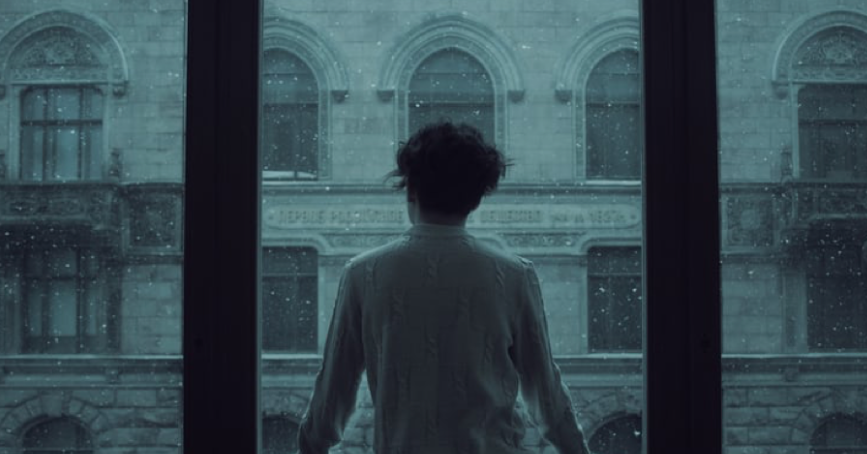
Creativity is not something you have. It is something you choose. Quietly. Repeatedly. Often without applause.
Every time you question a routine instead of obeying it, you are being creative. Every time you combine ideas that were never meant to meet, creativity is already happening. The problem is not the absence of creativity — it is the habit of ignoring it.
Modern life rewards speed, efficiency, and certainty. Creativity thrives in the opposite conditions. It needs pauses. Friction. Unfinished thoughts. That is why so many people feel “blocked” — not because they lack ideas, but because their environment punishes reflection.
Creativity begins where automation ends.
When you wake up and immediately scroll, your mind enters consumption mode. You absorb opinions before forming your own. You react instead of initiate. Over time, this trains the brain to wait for input rather than generate insight. Creativity slowly atrophies, not from lack of ability, but from lack of permission.
Permission matters.
People who live creatively give themselves permission to be inefficient at first. To explore ideas that might go nowhere. To think without a guaranteed outcome. This mindset is what separates creative thinkers from passive consumers.
Notice how creativity appears in ordinary moments.
A different way to phrase a message. A new approach to a familiar problem. A choice to rearrange a routine simply to see what happens. These moments do not announce themselves as “creative,” yet they shape how people think, work, and adapt.
This is why creativity improves wellbeing.
Creative thinking interrupts mental rigidity. When the mind explores alternatives, it exits survival mode. Stress narrows perspective; creativity widens it. That expansion alone can reduce anxiety, because problems no longer feel singular or absolute.
There is also a physical aspect. Creative engagement slows breathing, improves focus, and reduces mental noise. It places attention in the present moment without forcing calm. This is why many people feel unexpectedly grounded while writing, sketching, planning, or even organizing ideas.
Creativity is regulation disguised as play.
One of the biggest myths is that creativity requires time you do not have. In reality, creativity requires intention, not hours. Five minutes of deliberate thought beats an hour of distracted effort. Small creative acts compound over time, shaping sharper thinking and stronger intuition.
The resistance people feel toward creativity often comes from fear, not laziness.
Fear of being wrong. Fear of wasting time. Fear of producing something mediocre. These fears thrive in outcome-obsessed cultures. Creativity dissolves them by shifting focus from results to process.
When creativity becomes a habit, self-trust increases.
You begin to trust your ability to generate ideas, adapt under pressure, and navigate uncertainty. This confidence does not come from external validation — it grows internally, through repetition and exploration.
Creative individuals are not more talented. They are more willing.
They are willing to sit with unfinished thoughts. Willing to test assumptions. Willing to let curiosity lead instead of control. Over time, this willingness becomes a way of living.
Creativity is not an addition to life.
It is a lens through which life becomes more flexible, more humane, and more alive.
And once you stop waiting for permission to be creative, you realize it was never missing — only muted.

Leave a Reply